.png)


Spring Energized Seal




.png)
.png)

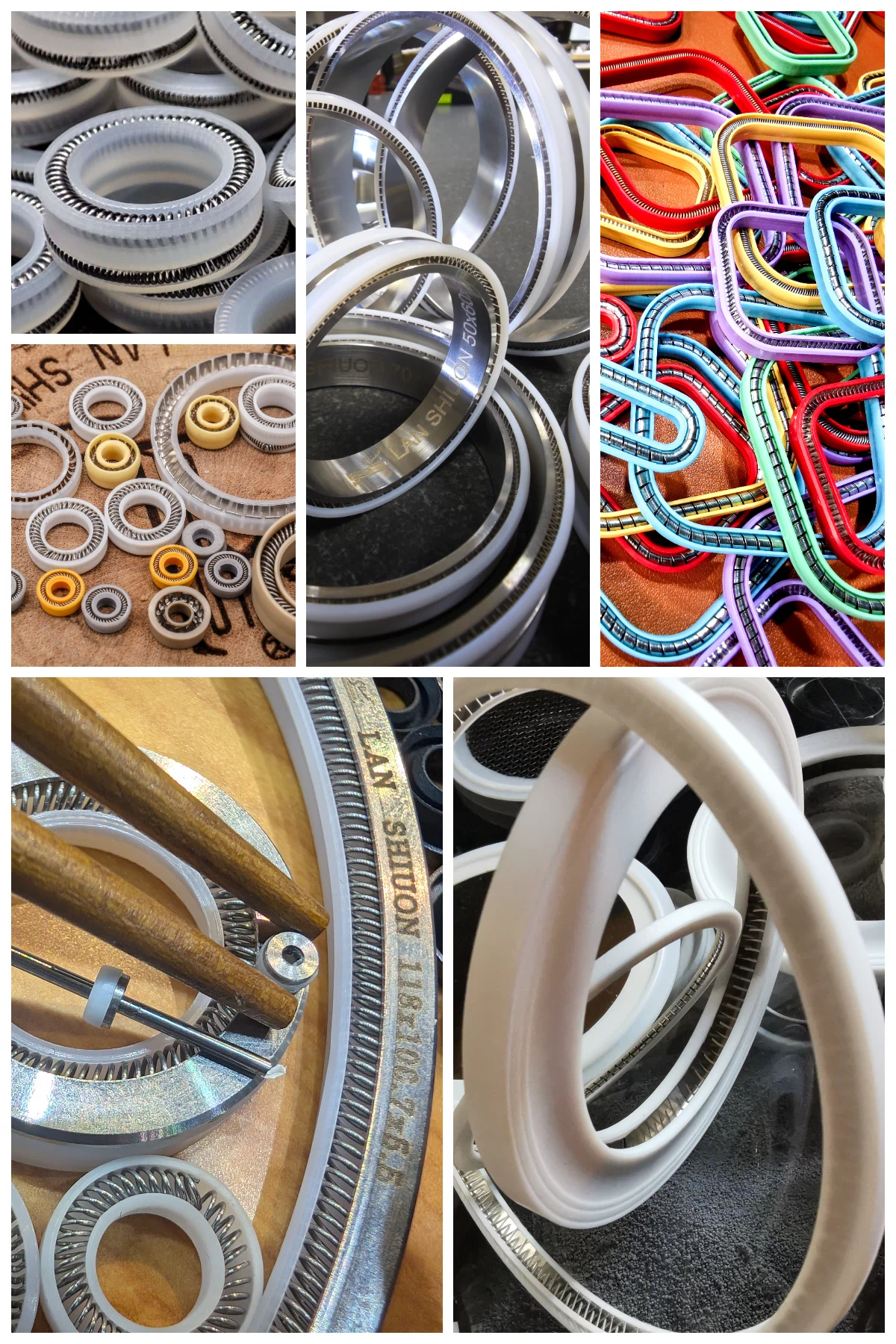
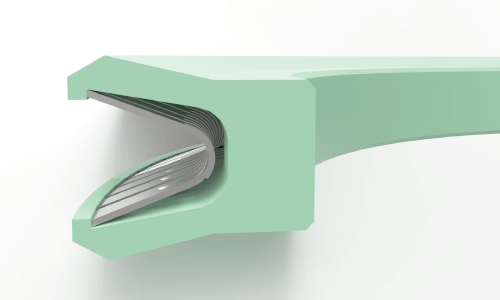
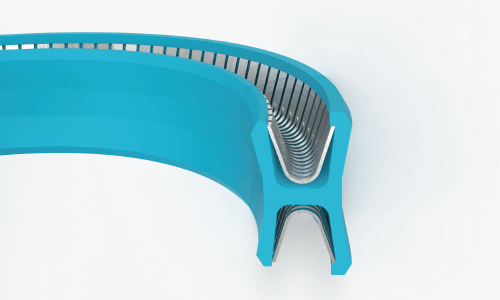
A Spring Seal, also known as a PTFE Spring-Energized Seal, is a high-performance sealing device consisting of a precision-machined PTFE or modified fluoropolymer jacket energized by a corrosion-resistant metallic spring. Specifically designed for extreme operating conditions—including high temperatures, cryogenic environments, high pressures, vacuum states, low friction requirements, and aggressive chemical exposure—it delivers consistent, long-term, and leak-free sealing integrity.
Compared to conventional elastomeric O-rings and rubber packings, PTFE spring-energized seals exhibit superior chemical inertness, wide temperature capabilities, an ultra-low coefficient of friction, and high dimensional stability without age hardening. They are widely utilized across demanding industries such as aerospace, biopharmaceuticals, semiconductor manufacturing, food processing, petrochemicals, and precision motion systems. Lanyi delivers customized static and dynamic sealing solutions tailored to specific operating pressures, temperatures, media compatibility, and hardware constraints, ensuring optimal equipment performance in critical environments.
Primary Applications
- Aerospace & Defense: Engineered for extreme high/low temperatures, high pressure, and severe vibrational environments, ensuring flight-critical system sealing reliability.
- Biochemical & Pharmaceutical Equipment: Resistant to concentrated acids, alkalis, strong organic solvents, and corrosive chemicals, minimizing the risk of seal failure and equipment downtime.
- Semiconductor Fabrication: Ideal for ultra-clean, high-purity, and plasma process environments, mitigating contamination, particle generation, outgassing, and chemical fluid leakage.
- Food & Beverage Processing: Available with virgin and compounded PTFE grades compliant with FDA regulations, ensuring hygienic safety in sanitary fluid transfer systems.
- Petrochemical & Energy Industry: Delivers durable, fugitive-emission-compliant sealing in high-pressure valves, downhole equipment, transfer piping, and aggressive gas handling lines.
- Vacuum Technology & Precision Machinery: Provides stable sealing with minimal stick-slip effect in linear slides, hydraulic/pneumatic pistons, piston rings, valve seats, and reciprocating shafts.
Classification: Static vs. Dynamic Sealing
- Static Sealing: Designed for stationary hardware interfaces, including pipe flanges, pressure vessels, vacuum chambers, valve body caps, and end-plate covers, completely preventing fluid or gas leakage under extreme thermal cycling.
- Dynamic Sealing: Engineered for reciprocating pistons, rotating shafts, rotating swivels, and oscillating components. It delivers minimal breakout friction, reduces mechanical wear, prevents stick-slip, extends service intervals, and maintains steady sealing even under high-speed or boundary-lubricated conditions.
Key Design Principles for Piston Seals
- Low-Friction Actuation: The inherently low friction of PTFE significantly reduces cylinder operational drag, enhancing pneumatic and hydraulic actuator response speed and positioning accuracy.
- Pressure & Vacuum Adaptability: By selecting appropriate spring loads (Cantilever / Helical / Canted Coil) and seal lip geometry, the seal performs seamlessly from ultra-high vacuum up to high hydraulic pressures.
- Reinforced Material Options: For heavy loads, abrasive slurry contact, or high-velocity applications, PTFE compounds filled with carbon fiber, glass fiber, graphite, bronze, or MoS2 are available to maximize mechanical strength, creep resistance, and wear life.
Critical Factors in Seal Selection
- Temperature Range: Verify continuous maximum, minimum cryogenic, and thermal cycling conditions to prevent material degradation, thermal expansion lockup, or shrinkage leakage.
- Pressure Profile: Assess operating system pressure, peak pressure spikes, differential pressure direction, and vacuum levels to determine jacket wall thickness and spring stiffness.
- Chemical Media: Identify all fluids, process gases, and cleaning chemicals in contact to ensure zero swelling, chemical attack, chemical leaching, or process contamination.
- Friction & Motion Dynamics: Match surface roughness, sliding speed, stroke frequency, lubrication conditions, and contact pressure with appropriate PTFE formulations and lip angles.
Why Choose Lanyi
- Innovative Material Engineering: Deep technical expertise in compounding advanced fluoropolymers (PTFE, PEEK, PCTFE) and customizing energizer spring geometries for specialized industrial requirements.
- Custom Engineering & Prototyping: Dedicated support for custom CNC dimensions, proprietary cavity designs, low-volume pilot runs, and non-standard OEM sealing challenges.
- Rapid Delivery & Ease of Maintenance: Modular designs and agile CNC precision manufacturing significantly reduce prototyping lead times and simplify field replacement.
- Obsolete Seal Replacement: Experienced in reverse-engineering discontinued or hard-to-source imported seals, optimizing seal profiles to upgrade existing equipment reliability.
Conclusion: The Right Spring Seal Ensures Operational Uptime
A PTFE spring-energized seal is far more than a simple replacement component—it is a critical engineered solution that directly dictates equipment reliability, operating efficiency, and total lifecycle maintenance costs. Leveraging material science, seal geometry expertise, and precision CNC fabrication, Lanyi provides robust, tailor-made sealing solutions that protect critical equipment, eliminate downtime, and enhance process stability worldwide.